

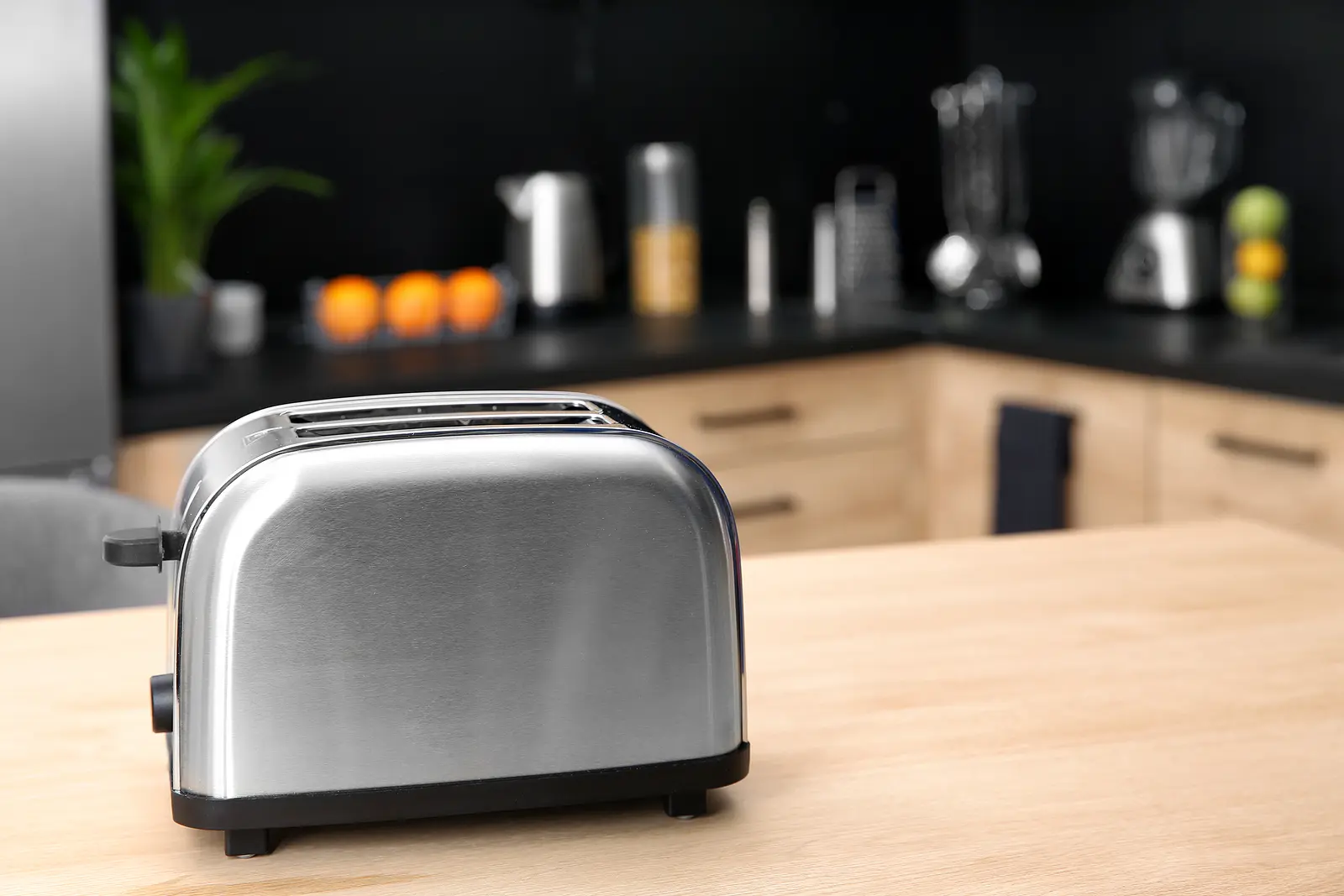
Nothing really turns off anymore. Almost all home appliances, from the TV to the toaster, are using power even when they’re not in use. This is known by many names, including vampire power, phantom load, idling current, and standby power. But it all means the same thing: when a device appears to be off, it’s often draining small amounts of electricity that end up on your monthly bill.
Though appliances have become more energy-efficient in response to the climate crisis, we now have more appliances than ever. And many of them spend a good portion of their time in “standby mode,” meaning that they’re ready for use as soon as you press a button.
Let’s take a look at what standby power does, when you need it, when you don’t, and how to trim your bills by unplugging devices or using appliance settings to reduce needless electrical drain.
What Does Standby Power Do?
Standby power keeps many devices ready for use at a moment’s notice. Any appliance with a remote uses standby power to scan for the remote’s commands. It helps some devices run programs in the background, even when you’re not actively using them. It keeps electronic clocks on your oven and microwave running. It makes it ultra-quick to turn on your game console.
Some of these uses are non-negotiable. You’re not going to unplug your dishwasher between uses or reach way behind the dryer to access the plug. Your refrigerator needs to keep running. Some devices do work intermittently, such as dehumidifiers and air purifiers. In these cases, 24/7 access to power is a non-negotiable.
Do You Need Standby Power? If So, When?
If a device is designed to continue doing work while you’re away from it or its power source is really inconvenient to unplug, it’s likely that it will stay plugged in. And if a device is performing critical functions—like keeping perishables cooled or frozen—that’s the way you want it.
But when an appliance is just hanging out, waiting for the next use, it doesn’t need to be drawing electricity.
Appliances You Can Unplug For Electricity Savings
There are plenty of these electrical vampires in your home. Check to see if you have any of these or other unused devices plugged in. If you don’t use them often, unplug them until you’re ready to use them again.
Outdated entertainment equipment, such as a VCR or DVD player. If they’re still plugged in even though you never use them, consider unplugging or culling them from your entertainment system.
Chargers, including both those for electronics and for batteries. Only plug them in when they’re actually charging something.
Small kitchen appliances that you use infrequently, like a rice cooker, Crock Pot, or bread machine.
Freestanding heaters or air conditioners. In the off-season, unplug or remove them.
Guest room electronics, such as a TV, speakers, or sound bar.
E-bike or golf cart chargers, during the winter months.
Other Ways To Minimize Use Of Standby Power
Unplugging isn’t always an option, partly because convenience can outweigh the savings on your electrical bill. But there are still things you can do to trim off a few dollars.
Make adjustments to the standby settings on electronic devices. Enabling sleep mode on your laptop or desktop computer is a set-it-and-forget-it option.
Test your appliances using an electricity usage monitor device or schedule a home energy assessment to determine what aspects of your home are using the most electricity.
Use power strips. You can group devices together by plugging them into a power strip and unplugging them all at once by flipping its switch. This keeps them from drawing power when they’re off. This can be especially helpful for entertainment systems and office equipment. Note that you can also buy power strips with timers that enable you to set a time for them to turn on or off.
Purchase ENERGY STAR products when you need to replace an appliance. Not only are these appliances designed to be more energy-efficient, they often use less standby power than conventional products.
Sources
3 Easy Tips to Reduce Your Standby Power Loads, energy.gov, February 9, 2022. (Accessed October 13, 2025)
Energy vampires: The hidden costs draining your wallet; Spencer Fields, Emily Walker; energysage.com; October 10, 2025. (Accessed October 13, 2025)
What Can I Unplug Now?, standby.lbl.gov. (Accessed October 13, 2025)
What’s phantom power and how can you track it?, saveonenergy.ca. (Accessed October 13, 2025)
Which Household Appliances Are Running Up Your Electric Bill?, Ally Childress, familyhandyman.com, October 5, 2024. (Accessed October 13, 2025)