

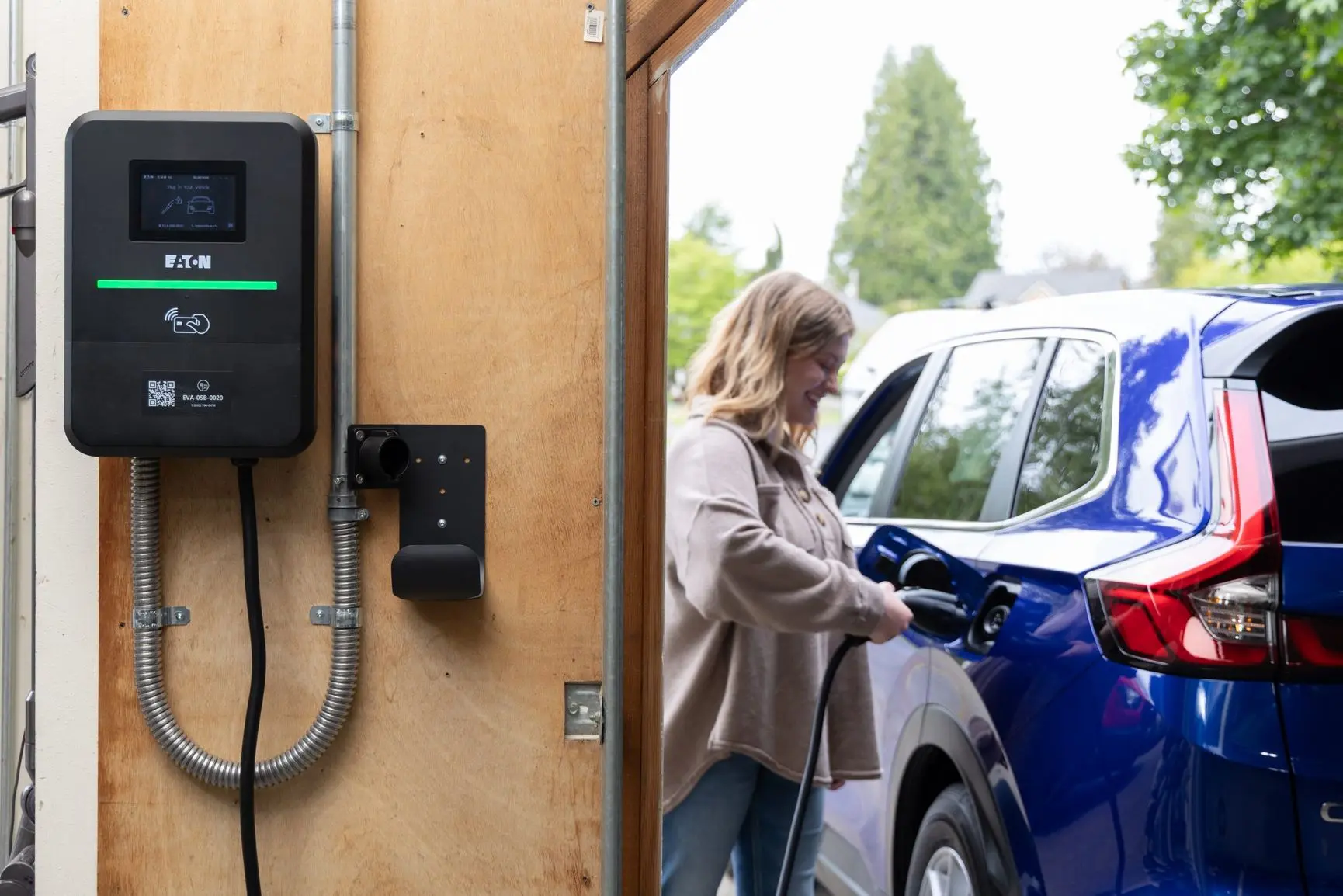
If you’re considering purchasing an electric vehicle (EV), you’re likely thinking hard about the long-term costs of making the switch from a fuel-powered or hybrid vehicle to an electric one.
Insurance, taxes, and maintenance costs matter but the cost of powering a car using electricity versus powering it with petroleum fuel is what people consider most deeply.
How Is The Price Of Electricity Determined?
We’re used to thinking of fuel in terms of cost per gallon. With electricity, you need to shift your thinking to cost per kilowatt hour.
The cost of electricity fluctuates based on factors such as supply and demand, infrastructure and maintenance costs, and the costs of natural fuels such as petroleum, natural gas, and nuclear power.
The price of electricity also varies widely from location to location.
Geography plays a role; if your area relies on imported fuels to run electric plants, for instance, the price of electricity might be higher in your area.
State regulations are also important. A state utility commission has a different pricing structure than a deregulated energy market. If you live in a place with private competition for electricity customers, you may be able to find lower electricity prices sometimes, though pricing may also fluctuate widely. If you live in an area with regulated electricity pricing, your rates might be somewhat higher but more stable.
Extreme weather events can also have an effect. Damaged infrastructure, such as power lines and transformers, can lead to temporary pricing spikes.
How Much Electricity Does It Take To Charge An EV?
According to Energy Sage, a Level 2 EV charger (the faster of the two types of home EV chargers) uses 7,200 watts, or 7.2 kilowatts, of electricity on average at any one time. In an average month, an EV driver will use 408 kilowatt-hours on car charging.
How Much Does It Cost To Charge An EV In Olympia, WA?
It costs $57.90 on average to charge an electric car for a month and $695 to run for a year in the United States, though prices range from just over $500 per year in some states to more than $1,000 per year in others (Energy Sage).
Using January 2026 rates, the average residential customer In Washington state will pay slightly less than the national average per month for EV charging: $56.34 per month or $672.14 per year. You can find current rates per kilowatt hour here.
If you want to get even more granular, you can follow rates for Olympia here.
SOURCES
Cost of electricity in Olympia, WA: Real numbers from real people, energysage.com, updated March 29, 2026 (accessed March 30, 2026)
Electric Power Monthly: Table 5.6.A. Average Price of Electricity to Ultimate Customers by End-Use Sector by State, December 2025 and 2024, eia.gov/electricity (accessed March 30, 2026)
Energy consumption of full electric vehicles, ev-database.org (accessed March 30, 2026)
How Electricity Prices Are Determined, Kira Zimmerman, apge.com, July 25, 2025 (accessed March 30, 2026)
How many watts does an electric car charger use?, Jacob Marsh, energysage.com, updated December 6, 2023 (accessed March 30, 2026)
Navigating the Electric Highway: How to Save on At-Home Electric Car Charging Costs, energyharbor.com (accessed March 30, 2026)
Our Expert
Scott Terry is the lead electrician for Capital Heating, Cooling, Plumbing & Electric. He has more than 25 years of experience in the industry. Scott reviewed and approved this post.
Our Company
Capital Heating, Cooling, Plumbing & Electric has been serving the South Sound in Washington state for three generations. Our highly trained technicians deliver top-notch service and the latest in home systems innovations.