
During the winter months, it’s important to take a comprehensive look at fire safety in your home.
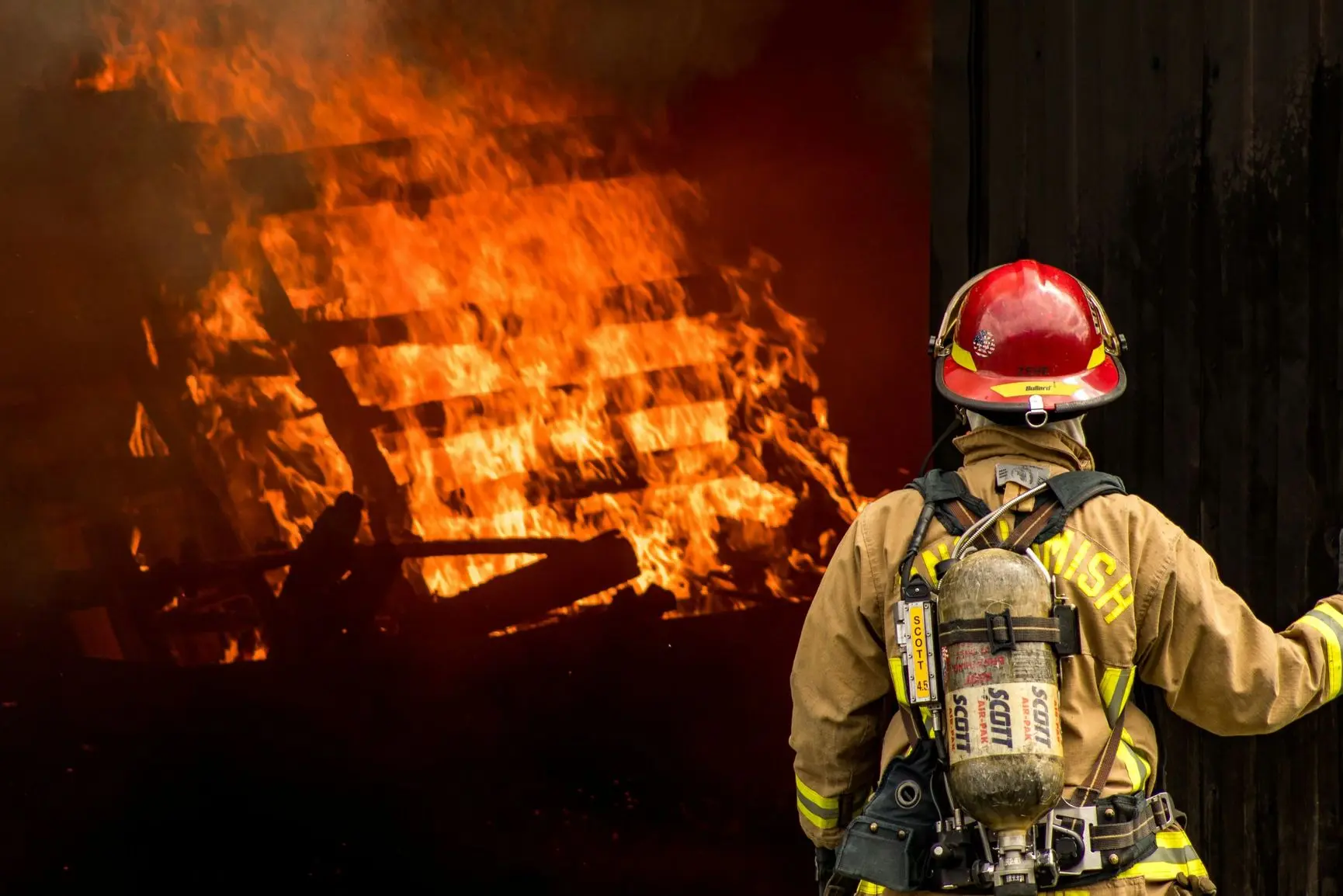
It’s key to check your holiday lights and practice good safety with candles during the coldest, coziest indoor days. But it’s crucial to get an overall assessment of your electrical and heating systems to help you reduce the risk of fire at home, especially before the peak fire months of December, January, and February.
What Are Common Causes Of Residential Fires?
According to the National Fire Protection Association (NFPA), fire departments responded to more than 46,600 home structure fires between 2020 and 2024 where electrical failures or malfunctions played a role. Annually, these fires caused more than 500 deaths, more than 1,500 injuries and more than $2 billion dollars in property damage. These fires occurred most often in a kitchen, a bedroom, or in an attic or ceiling.
The NFPA also reports that “[h]eating is a leading cause of US home fires and home fire injuries and third leading cause of home fire deaths.” Space heaters are most often the cause of fires caused by heating equipment.
To reduce the risk of fire in your home, follow these recommendations.
Get A Home Electrical Inspection Before Winter Starts
The Washington State Department of Labor & Industries (L&I) says that if “you are not qualified to perform electrical installations yourself…homeowners should hire a licensed electrical contractor. Electrical contracting businesses are licensed, bonded, and provide certified electricians who have years of training, education, and have passed an examination to safely perform electrical work.”
Getting a home inspection by a licensed electrical contractor helps ensure that your electrical system is compliant with the National Electrical Code to help mitigate risk of a structural fire.
You should have your electrical system inspected if:
- It’s been three years since your last inspection.
- You’re having issues with circuit breakers tripping.
- A burning smell is coming from one of your appliances.
- You see sparks from an outlet.
- Your lights are dimming or flickering.
- Any wall outlet is discolored or feels warm to the touch.
A good home electrical inspection should look at:
Your electrical panel to ensure that it’s in good condition, is an up-to-date brand and model, and that connections are nice and snug.
Your outlets. Each receptacle should be properly grounded and attached, including ground fault circuit interrupter (GFCI) outlets, protected outlets that should be in bathrooms and kitchens. Test these every month to make sure they’re still working properly.
Smoke detectors, fire detectors, and carbon monoxide (CO) monitors. A professional should check that these devices are working properly and advise on when they should be replaced.
Fixtures and appliances, to make sure all circuits are functioning properly. A good inspection will also include a look at a whole-house surge protection system, if you have one. If lights are flickering, an inspector will likely recommend you get them fixed (or fix them on the spot).
Operate Machinery And Devices Correctly All Winter
Your home electrical system is inspected and a licensed electrician has taken care of any repairs. Your twinkly lights are working great (and you unplug them at night and when you’re out). Now, you should turn your attention to other devices in your house. Making sure you, and everyone in your home, uses them correctly will go a long way toward keeping everyone safe.
Here are some general tips.
- Plug heat-producing appliances into different outlets; think toasters, electric tea kettles, and space heaters. If two of them share an outlet, just use one at a time. Unplug large countertop appliances, like air fryers, when you’re not using them.
- Plug big appliances directly into a wall outlet. Do not, for instance, plug a clothes dryer into an extension cord. Refrigerators, chest freezers, washers, stoves, and similar appliances need their own receptacle.
- Dust regularly beneath and behind large appliances, especially clothes dryers or other heat-producing appliances. Keep dust out of other perilous places by cleaning out the dryer lint trap after each load, inspecting and cleaning your ductwork, and making sure your refrigerator coil is free and clear of dust and debris.
Generators
It’s a good idea to have your generator checked before you expect a winter storm. Once you know it’s working well, make sure you’re using it correctly. Never operate a generator in an enclosed space, not even in a garage. That’s because they can put you at risk of carbon monoxide poisoning. Run your generator far from open windows and standing water in a dry, open, outdoor space.
Space Heaters
If you use a space heater, keep it on a level surface, give it a safety perimeter of at least three feet in all directions, and don’t use an extension cord if you can help it (if you must use one, make the space heater the only appliance plugged into it). Watch kids and pets around them carefully; install a safety gate if you need to. Unplug it when you’re asleep, outside your home, or when it’s unattended.
Extension Cords
Never run an extension cord underneath a rug or carpet. Don’t run them across doorways, either. Use extension cord covers or mats for safety and aesthetics instead. Plug only one extension cord or power bar into a single outlet. And don’t link extension cords and power strips.
Check extension cords for wear and tear. If you see tears or exposed wires, throw it out. Never use staples or nails to secure an extension cord to the floor or a wall. If a cord gets warm when plugged in, unplug it and replace. Also, use the right cord for the job; never use an indoor extension cord outdoors. Remember: extension cords are temporary solutions. Use them only until you can find a more permanent way to power your devices.
Smoke And Carbon Monoxide: Be Sure You’re Safe
Functioning smoke detectors and carbon monoxide (CO) detectors are some of the simplest, most effective ways to keep your household safe from fire and related issues, like CO poisoning.
New construction in Washington state requires hard-wired smoke detection systems, including alarms in every bedroom. To boost fire safety, replace your individual smoke alarms with an interconnected hard-wired system. Both standard and wireless hardwired systems are available.
To make sure carbon monoxide doesn’t build up in your home, keep your HVAC system, your water heater, and any other gas, oil, or coal-burning appliances maintained and serviced. Vent and regularly clean out your fireplace, chimney, or wood stove. And keep generators, barbecues, or other open-flame cooking implements outdoors.
The NFPA says to replace your smoke detectors once a decade and CO monitors every seven to 10 years. You can determine if yours need to be replaced by:
Checking the date. If you can’t figure out how old it is, look for a date and model number and look it up online or contact the manufacturer.
Checking the batteries. Test the batteries and if they’re expired, replace them. If your unit beeps even after you’ve inserted fresh batteries, it’s probably time for a new one. Do this twice a year, perhaps when the time changes each spring and fall.
Checking your hard-wired system. Even wired smoke detector systems have backup batteries. Check them and pay attention to whether or not it’s still alerting you with chirps or false alarms. If it is, it could be time to replace the system.
Giving it a visual inspection. Old smoke detectors are made of plastic that turns yellow over time. If yours is yellow or a brownish yellow, install a new one.
Listening for audible warnings. Both smoke detectors and CO detectors beep at regular intervals when they’re not working. If your CO detector is chirping at you even after you’ve put in a new battery, it’s time to replace it.
Contingency: Have A Fire Escape Plan
Even if your electrical system is working properly and you’re practicing good electrical safety at home, it’s important to plan for an emergency. Create a fire escape plan that lays at least two ways each person can exit each room in house, who will help very young or elderly members of the household, and where to meet once everyone is outside.
SOURCES
Electrical Safety in the Home, National Fire Protection Association (NFPA), (accessed August 27, 2026)
Fire Safety Tips for Cold Weather, National Fire Protection Association (NFPA), (accessed August 27, 2026)
Home Electrical Fires, National Fire Protection Association (NFPA),
Tucker McGree, April 30, 2026 (accessed August 27, 2026)
How to Prevent Electrical Fires at Home: 13 Helpful Tips, Angi.com, Melissa Graham, Updated July 8, 2026 (accessed August 27, 2026)
Practice Your Home Fire Escape Plan, ready.gov, Updated March 25, 2026 (accessed August 31, 2026)
Practicing Winter Fire Safety; Mass General Brigham; John T Schulz, MD, PhD; December 5, 2024 (accessed August 27, 2026)
Our Company
Capital Heating, Cooling, Plumbing & Electric has been serving the South Sound in Washington state for three generations. Our highly trained technicians deliver top-notch service and the latest in home systems innovations.